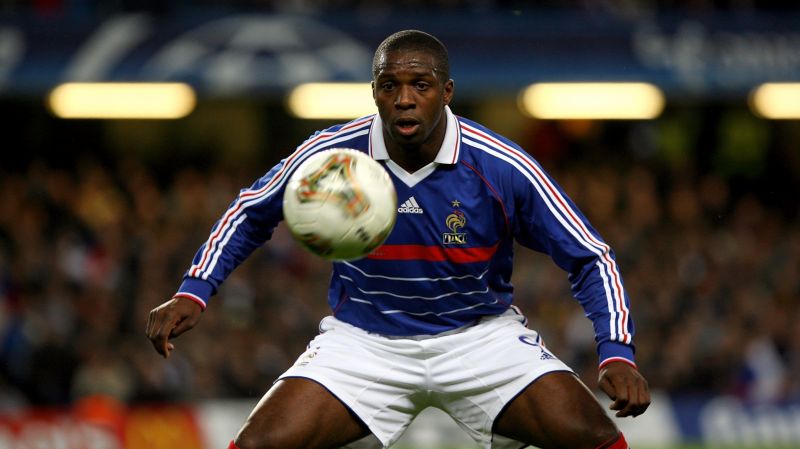
Cao Yang retired on a Tuesday. No press conference, no farewell tour, no teary-eyed speech. The announcement came through a brief statement on his club's official website—three sentences, no quotes from the man himself. For a player who spent fifteen seasons anchoring the midfield, the understatement felt almost jarring. But that's Cao Yang for you. Never the loudest voice in the locker room, never the one chasing headlines. He just did the work, week after week。until his body finally said enough.I first saw him play in 2014, a rainy night in a half-empty stadium. He wasn't the fastest or the most technical. What stood out was his positioning—always a step ahead。
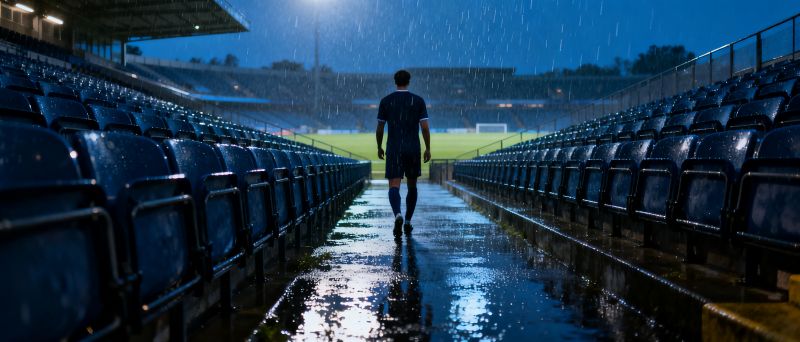
always correcting someone else's mistake before it became a problem. That night he completed ninety-four passes, most of them simple, sideways, unglamorous. The kind of stats that don't make highlight reels but win you games. Coaches loved him for it. Fans, honestly, sometimes forgot he was there. That's the paradox of a player like Cao Yang: indispensable precisely because he never demanded attention.His retirement doesn't mark the end of an era, not in the dramatic sense. The club has younger legs now, faster legs, players who post training clips on social media and celebrate goals with choreographed dances. Cao Yang never did any of that. He kept a low profile off the pitch too—married his high school sweetheart, stayed out of nightclub tabloids, showed up to youth clinics without cameras rolling. In an age where even benchwarmers have personal branding strategies。he remained stubbornly old-school. Some called it boring. I call it refreshing.The numbers are solid but not spectacular: 312 appearances。18 goals, 41 assists. No major trophies. A couple of runner-up finishes that still sting, if you ask the older supporters. But here's what the stats miss—the times he played through a strained hamstring because the team had no other defensive midfielder. The times he mentored a nineteen-year-old rookie who now starts every week. The times he stayed after training to practice long passes with the reserve goalkeeper. Cao Yang retired the same way he played: without fanfare, leaving the squad a little more stable than he found it.What happens next?
He's hinted at coaching badges, maybe a youth academy role. The club offered him a farewell match, but he declined—said he'd rather be remembered for a Tuesday training session than a testimonial. That's not humility for show. I've spoken to people who know him, and they all say the same thing: he genuinely doesn't enjoy being the center of attention. In a sport increasingly defined by noise。Cao Yang's quiet exit feels almost radical. Fifteen years of showing up, doing the job, going home. There's a lesson in that, even if he'd never be the one to point it out.